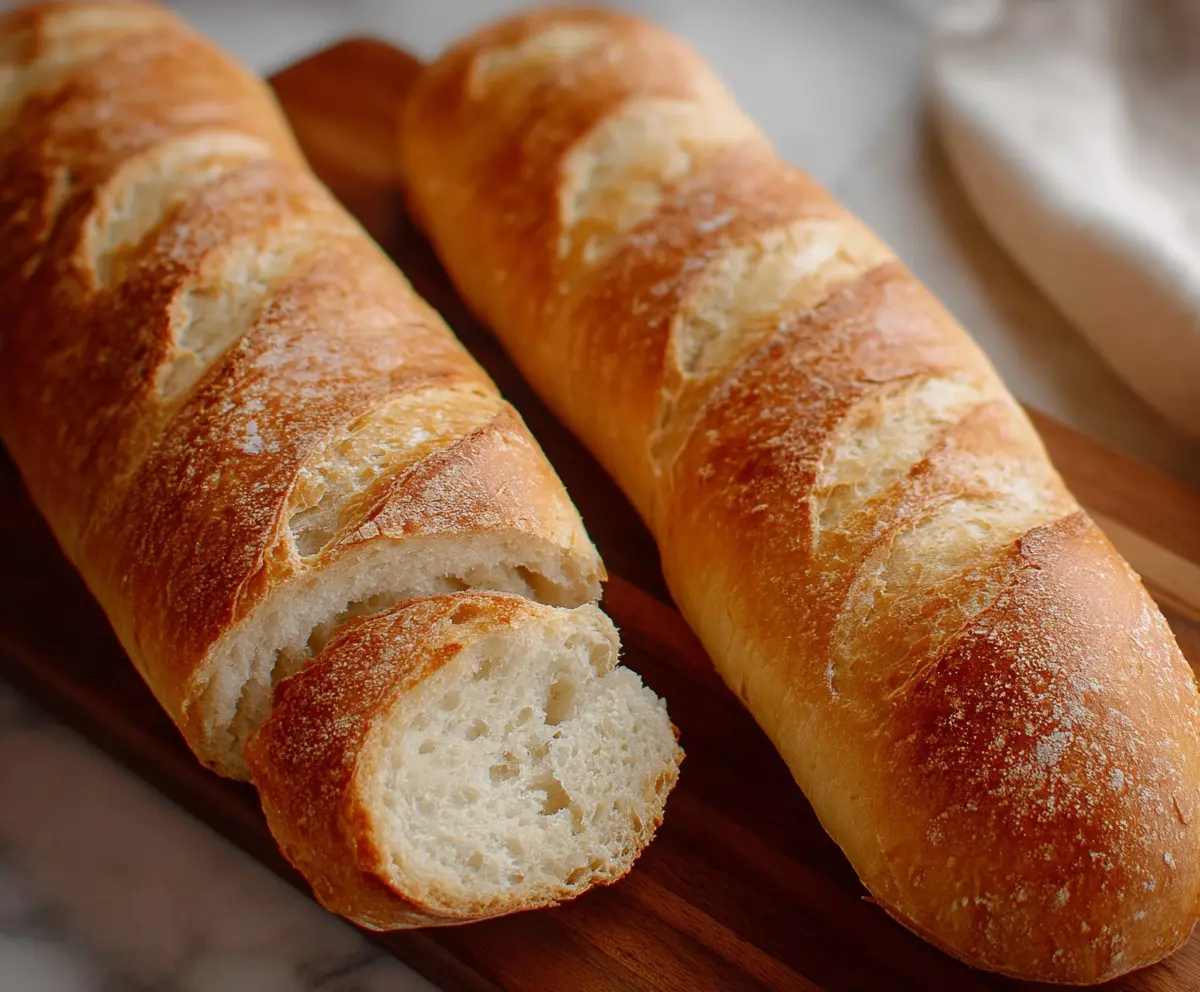
Quick Sourdough Discard French Bread is a perfect way to make the most of your sourdough starter discard. This recipe turns the discard into a crusty, flavorful loaf with a soft and chewy inside. You get that classic French bread feel without needing to wait days for fermentation and rising.
I love making this bread when I have some sourdough discard sitting around because it’s such an easy and rewarding project. It doesn’t require fancy equipment or tons of time, but it still gives you that wonderful homemade bread smell and taste. Plus, it’s a great way to avoid throwing away sourdough discard that might otherwise go to waste.
My favorite way to enjoy this bread is sliced thick with butter just melting on top, or toasted and topped with jam for breakfast. It’s also great for sandwiches or alongside a bowl of soup. If you want a little extra crunch, just pop it in the oven a few minutes before serving—it comes out warm and irresistible every time.
Key Ingredients & Substitutions
Sourdough starter discard: This adds tang and depth to the bread without needing a long ferment. You can use either fed or unfed discard, but unfed has a stronger sour note. If you don’t have discard, plain yeast bread works too, but you’ll miss that subtle sour flavor.
All-purpose flour: This gives a nice soft crumb with a good chew. For a heartier texture, try bread flour or half bread flour and half all-purpose. Whole wheat can be added up to 25% of the flour to boost flavor and nutrition.
Instant yeast: This speeds up the rise and ensures good dough lift in just a couple of hours. If you want a slower rise and tangier bread, reduce the yeast and rise longer, but this recipe is all about quick and tasty.
Water temperature: Use warm water around 100°F (38°C). Too hot can kill the yeast; too cold slows the rise. I like using a kitchen thermometer or just warmth that feels like a warm bath.
How Do You Get a Crusty, Well-Risen French Bread Loaf?
The trick is to balance good dough development, proofing, and oven steam.
- Knead well: Kneading builds gluten, which traps air bubbles and helps the bread rise. If kneading by hand, aim for 8-10 minutes until the dough feels smooth and elastic.
- Proof until doubled: Let the dough rise until it roughly doubles in size—this means good fermentation and gas buildup for a light crumb.
- Second proof shaped: Shaping tight baguettes creates surface tension, which helps with good oven spring and shape retention.
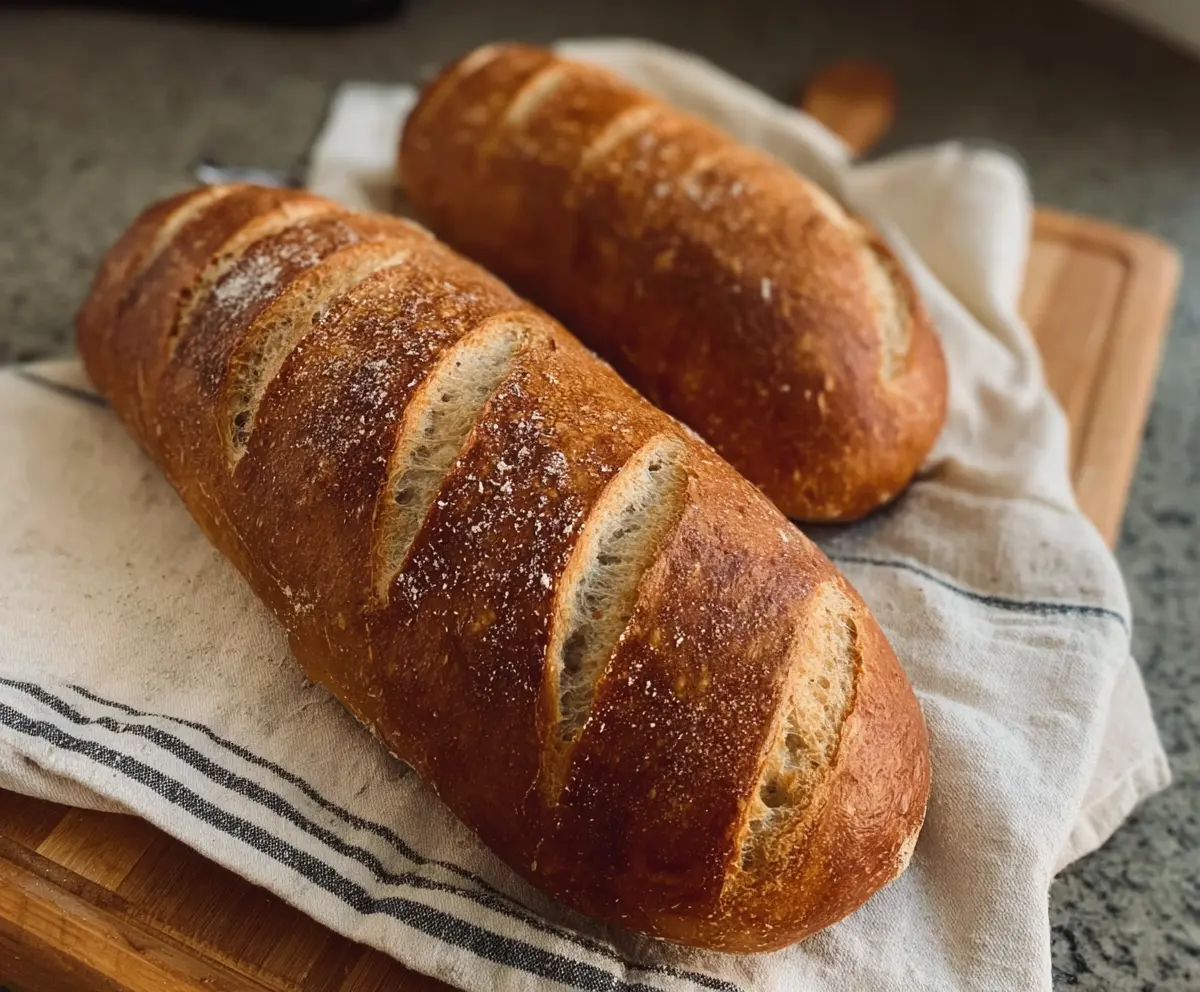
- Score the loaves: Slashes give the bread room to expand while baking and create the classic French loaf look.
- Add steam in the oven: Pouring hot water into a tray creates steam. This keeps the crust from hardening too soon, allowing the bread to expand fully before forming a crisp crust.
- Cool before slicing: Let the bread cool to set the crumb and finish baking internally. If you cut too soon, it may be gummy inside.
Following these simple steps helps you get a bread that’s golden and crunchy on the outside yet soft and airy inside—a classic French bread experience made easy!
Equipment You’ll Need
- Large mixing bowl – big enough to hold your dough as it rises without spilling over.
- Wooden spoon or spatula – perfect for mixing sticky dough gently without a mess.
- Kitchen scale – accurate flour and water measurements help get the dough just right.
- Pastry scraper or bench knife – makes kneading and shaping easier by lifting and folding dough.
- Baking sheet lined with parchment paper – prevents the bread from sticking and makes cleanup easy.
- Sharp knife or razor blade – needed to score the loaf for good oven spring and classic look.
- Oven-safe metal tray – to create steam in the oven, which makes the crust crispy and shiny.
- Cooling rack – lets your bread cool evenly without sogginess.
Flavor Variations & Add-Ins
- Mix in 1/4 cup herbs like rosemary or thyme for a fragrant twist perfect with soups or salads.
- Add 1/4 cup grated Parmesan or cheddar cheese into the dough for a rich, cheesy crumb.
- Stir in a handful of olives or sun-dried tomatoes to bring a Mediterranean flair and extra texture.
- Try swapping half the all-purpose flour for whole wheat for a nuttier, more wholesome bread.
Quick Sourdough Discard French Bread
Ingredients You’ll Need:
- 1 cup (240g) sourdough starter discard (unfed)
- 1 1/2 cups (360ml) warm water (about 100°F/38°C)
- 3 1/2 cups (430g) all-purpose flour (plus extra for dusting)
- 2 tsp sugar
- 1 1/2 tsp salt
- 1 tbsp olive oil or melted butter (optional for brushing)
- 1 tsp instant yeast
How Much Time Will You Need?
Overall, this recipe takes about 2 to 2 1/2 hours. That includes about 15-20 minutes for mixing and kneading, 1 to 1.5 hours for the first rise, 30-45 minutes for the second rise after shaping the loaves, and 20-25 minutes for baking. Plus, allow 20 minutes to cool before slicing.
Step-by-Step Instructions:
1. Mix and Activate Yeast:
In a large bowl, stir together the warm water and sourdough discard until smooth. Add sugar and instant yeast, stir gently, then wait 5-10 minutes until you see bubbles forming, which means the yeast is active.
2. Make the Dough:
Add salt and flour gradually, stirring with a wooden spoon until the dough comes together in a rough, shaggy mass. Turn it out onto a floured surface and knead for 8-10 minutes until the dough feels soft and elastic. If you prefer, use a stand mixer with a dough hook to knead for about 5-6 minutes.
3. First Rise:
Place the dough in a clean, lightly oiled bowl. Cover with plastic wrap or a towel and leave it at room temperature for about 1 to 1 1/2 hours, or until it doubles in size.
4. Shape the Loaves and Second Rise:
Gently punch down the dough, divide it into two equal parts, and shape each into a baguette about 12 inches long. Place the loaves on a parchment-lined baking sheet. Sprinkle lightly with flour and cover loosely with a damp towel. Let them rise again for 30-45 minutes until puffy.
5. Prepare for Baking:
Preheat your oven to 450°F (230°C) and place an empty metal tray on the bottom rack. Just before baking, use a sharp knife or razor blade to make diagonal slashes on top of the loaves.
6. Bake with Steam:
Put the loaves on the middle rack of the preheated oven. Carefully pour a cup of hot water into the empty tray at the bottom to create steam and quickly close the oven door. Bake for 20-25 minutes until the crust turns golden brown and crispy.
7. Finish and Cool:
Remove the bread from the oven. Optionally, brush the crust with olive oil or melted butter for extra flavor and shine. Let the loaves cool on a wire rack for at least 20 minutes before slicing to ensure a perfect crumb.
Enjoy your delicious homemade Quick Sourdough Discard French Bread fresh with butter, jam, or your favorite toppings!
Can I Use Fed Sourdough Starter Instead of Discard?
Yes, you can substitute fed sourdough starter for discard, but the dough may rise faster due to the higher activity. You might want to reduce the instant yeast slightly to avoid over-proofing.
How Should I Store Leftover Bread?
Store leftover bread in a paper bag or loosely wrapped in a tea towel at room temperature for up to 2 days to keep the crust crisp. For longer storage, freeze slices in an airtight container and toast directly from frozen.
Can I Make This Recipe Without Instant Yeast?
It’s possible but not ideal for this quick method. Without instant yeast, the dough will need a much longer rise time to develop properly—usually several hours or overnight.
How Do I Get a Crunchy Crust?
Creating steam in the oven is key! Pour hot water into a preheated tray right when you put the bread in to bake. This keeps the crust from hardening too early, producing that signature crispy, golden crust.